GitHub Copilot vs Tabnine (2025): Which AI Assistant is Best?
AI coding assistants are no longer futuristic experiments—they’re becoming essential tools in the modern developer’s workflow. In this review, we’ll compare GitHub Copilot and Tabnine head-to-head in 2025, exploring how each performs in real-world backend coding tasks. From productivity gains to code quality, we’ll answer the burning question: Which AI assistant should you trust with your code?

Dev Orbit
October 1, 2025
Introduction: The AI Assistant Dilemma
Every developer has felt the pain of repetitive boilerplate. Setting up authentication flows, writing SQL queries, debugging regex or scaffolding REST endpoints—it’s necessary work, but rarely the fun part of building software.
This is where AI coding assistants step in. Tools like GitHub Copilot and Tabnine promise to boost productivity, automate grunt work and even suggest creative solutions.
But here’s the challenge:
GitHub Copilot is backed by OpenAI and deeply integrated into GitHub.
Tabnine has been around longer, focusing on privacy, on-premise deployments and enterprise readiness.
So which one really delivers when you’re knee-deep in backend code? Let’s dive in.
What Are AI Coding Tools, Really?
Think of AI coding assistants as the pair programmer who never sleeps. They don’t replace you, but they:
Predict your next line of code (like autocomplete on steroids).
Suggest full functions or classes based on context.
Learn from your project to generate domain-specific code.
Reduce context switching—no more Googling for syntax every two minutes.
👉 Analogy: If writing code is like writing a book, then AI assistants are like Grammarly plus a co-author who knows every programming language.
⚠️ Warning: They’re not infallible. Both Copilot and Tabnine sometimes “hallucinate” code, which compiles but doesn’t work as expected. The key is knowing when to trust and when to verify.
How GitHub Copilot Works
GitHub Copilot is powered by OpenAI’s Codex/GPT-4 Turbo models (as of 2025).
Features:
Deep GitHub Integration: Trained on massive open-source repos.
Multi-line Suggestions: Often suggests entire functions.
Chat Mode (Copilot Chat): Lets you query documentation, debug or explain code.
Context Awareness: Reads surrounding files for better suggestions.
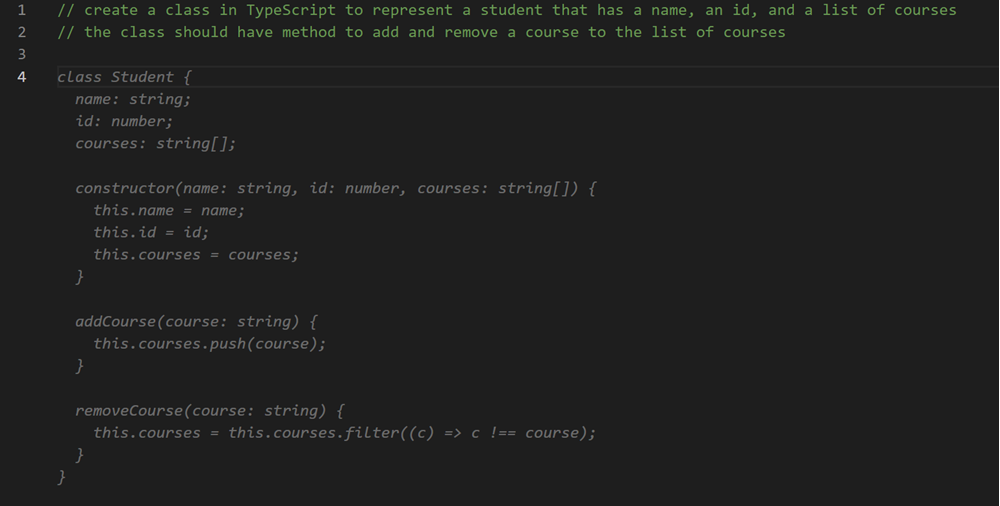
Copilot inline code suggestion screenshot
✅ Best For: Developers who live inside GitHub’s ecosystem (PR reviews, code search, Copilot Chat).
How Tabnine Works
Tabnine, by contrast, is smaller and leaner. It doesn’t try to “think like ChatGPT”—instead, it focuses on fast, context-aware autocompletions.
Features:
Privacy First: Options for local-only models (great for enterprises with strict compliance).
Team Training: Can fine-tune on your company’s private codebase.
Low Latency: Feels like an advanced autocomplete rather than a chatty assistant.
Broad IDE Support: Works seamlessly in VS Code, JetBrains, Neovim, etc.
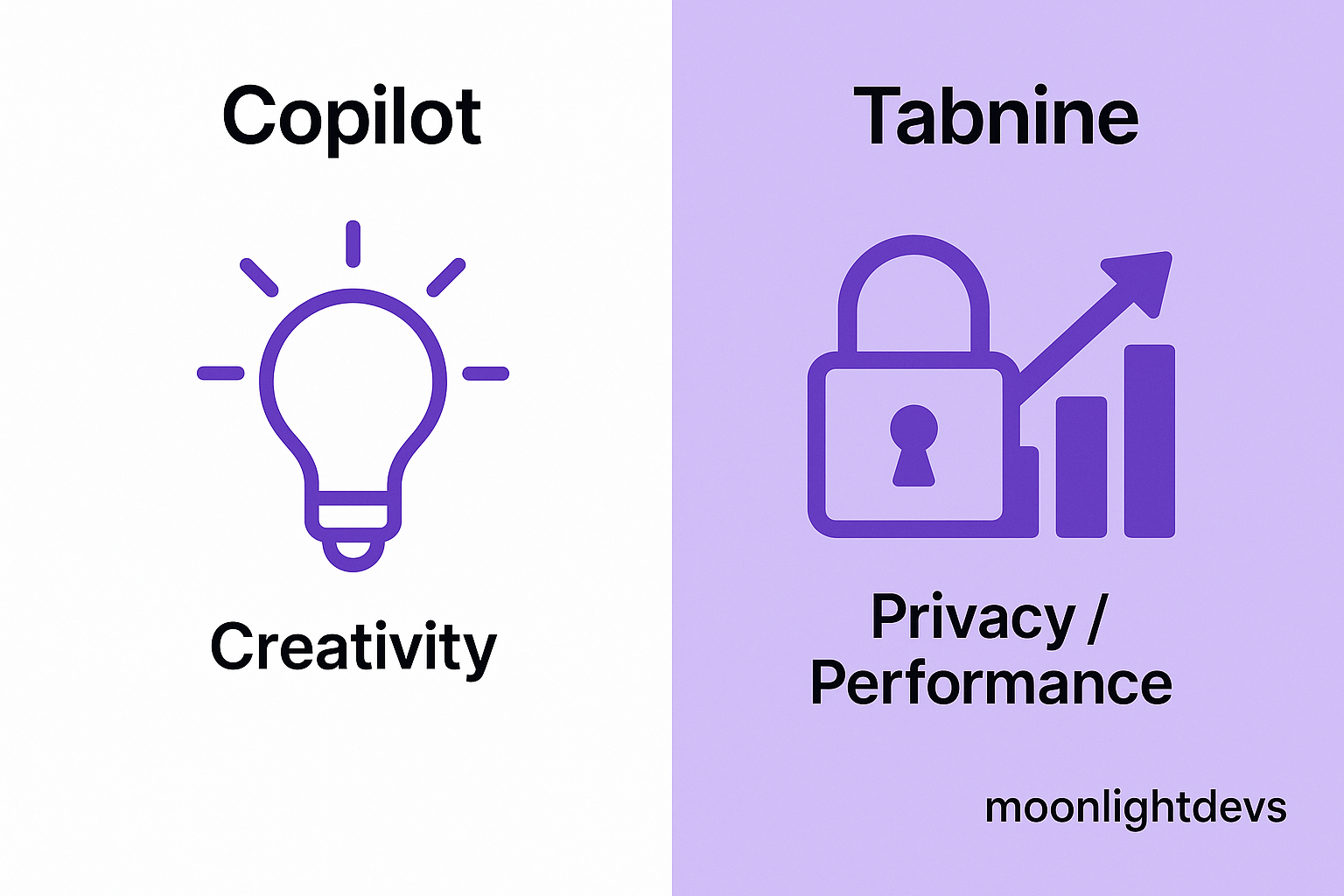
Comparison chart of Copilot & Tabnine
✅ Best For: Teams or developers prioritizing speed and privacy over “creative AI magic.”
Real-World Backend Coding Test
Let’s compare Copilot and Tabnine on a common backend task:
Scenario: You’re building a Node.js Express API with authentication, database integration and error handling.
Test 1: Scaffold an Express API route
Prompt: “Create an Express.js route for user login with JWT authentication.”
Copilot Output:
Generates a complete login route with JWT signing, password hashing and even environment variable checks. Sometimes too verbose, but production-ready with minor tweaks.Tabnine Output:
Suggests smaller autocomplete chunks (function signatures, JWT import, res.json snippets). You’ll piece things together, but it’s faster and more predictable.
📌 Insight: Copilot is like a “smart co-pilot” giving you a whole solution, while Tabnine is like a sharp auto-complete engine keeping you in control.
Test 2: SQL Query Generation
Prompt: “Write a SQL query to get the top 5 customers by revenue from orders table.”
Copilot: Instantly gives a valid query with JOINs if schema context is available. If not, sometimes hallucinates column names.
Tabnine: Provides partial query completions—
SELECT … FROM orders ORDER BY revenue—leaving you to adjust manually.
💡 Tip: Use Copilot for exploratory coding; use Tabnine for known schemas where you want precision.
Test 3: Debugging and Documentation
Prompt: “Explain this error: TypeError: Cannot read property 'map' of undefined.”
Copilot Chat: Provides a step-by-step debugging explanation, potential causes and even suggests logging fixes.
Tabnine: Doesn’t have a conversational mode—limited to inline code completions.
✅ Winner: Copilot, if you need explanations and mentorship.
Bonus: Advanced Pro Tips
Here’s how to squeeze the most productivity out of both tools:
With Copilot
✅ Use Copilot Chat for debugging and code reviews.
✅ Pair with GitHub Actions to auto-generate test cases.
⚠️ Watch for license issues—not all Copilot-suggested code is “clean.”
With Tabnine
✅ Enable Team Learning Mode to train on your company’s private codebase.
✅ Run locally if working with sensitive data.
⚠️ Don’t expect explanations—Tabnine is an autocomplete, not a tutor.
Performance, Cost & Privacy (2025 Update)
Feature | GitHub Copilot | Tabnine |
|---|---|---|
Model | GPT-4 Turbo (OpenAI) | Smaller proprietary models |
Speed | Slight latency on larger suggestions | Lightning fast autocompletion |
Privacy | Cloud-first (limited local options) | Local + self-hosted models available |
Pricing | $10–19/month (individuals/teams) | Free plan + Pro at $12–18/month |
Best Use Case | Creative coding, debugging, mentoring | Private code, enterprise compliance |
So… Which AI Assistant Wins?
The answer depends on your coding style and priorities:
Choose GitHub Copilot if:
You want a creative AI partner that suggests whole solutions.
You value integrations with GitHub (PRs, issues, docs).
You’re okay with cloud-based AI models.
Choose Tabnine if:
You need speed and lightweight productivity.
Your company has strict data privacy rules.
You prefer fine-grained autocomplete over chatty suggestions.
📌 Insight: Many devs actually use both—Copilot for creative exploration, Tabnine for speed and privacy.
Conclusion: The Future of AI Coding Tools
By 2025, it’s clear: AI coding assistants are here to stay. Whether you choose GitHub Copilot or Tabnine, the productivity boost is undeniable.
Copilot feels like a mentor.
Tabnine feels like a faster brain-to-code translator.
As backend devs, our best bet is to treat these tools as allies, not crutches. They can scaffold, autocomplete and even debug—but ownership of code quality remains with us.
👉 If you found this comparison helpful, share it with your dev team. Chances are, they’re asking the same question: Which AI assistant should I trust with my code?

Enjoyed this article?
Subscribe to our newsletter and never miss out on new articles and updates.
More from Dev Orbit

Handling File Uploads Using Multer In Node Js Express
Web developers must understand how to handle file uploads in the fast-changing world of web development. Multer in Node.js is a robust solution for this task. This article explores Multer features, installation process, advanced functionalities and best practices for seamless integration with Express.

I Replaced My To-Do List With an AI Boss — Here’s the Ruthless Truth About My Productivity
In an age where time is a precious commodity, productivity hacks abound but often lead to more confusion than clarity. What if you could replace your cumbersome to-do list with an AI assistant that not only organizes your tasks but also learns from your habits? Enter GPT-5 — an AI that transforms how we approach our daily workloads. In this article, I’ll share my journey of swapping a traditional to-do list for an AI-driven system, detailing the profound impact on my productivity.
🚀 Mastering Python Automation in 2025: Deep Insights, Real-World Use Cases & Secure Best Practices
Streamline your workflows, eliminate manual overhead and secure your automation pipelines with Python — the most powerful tool in your 2025 toolkit.
Spotify Wrapped Is Everything Wrong With The Music Industry
Every year, millions of Spotify users eagerly anticipate their Spotify Wrapped, revealing their most-listened-to songs, artists and genres. While this personalized year-in-review feature garners excitement, it also highlights critical flaws in the contemporary music industry. In this article, we explore how Spotify Wrapped serves as a microcosm of larger issues affecting artists, listeners and the industry's overall ecosystem.
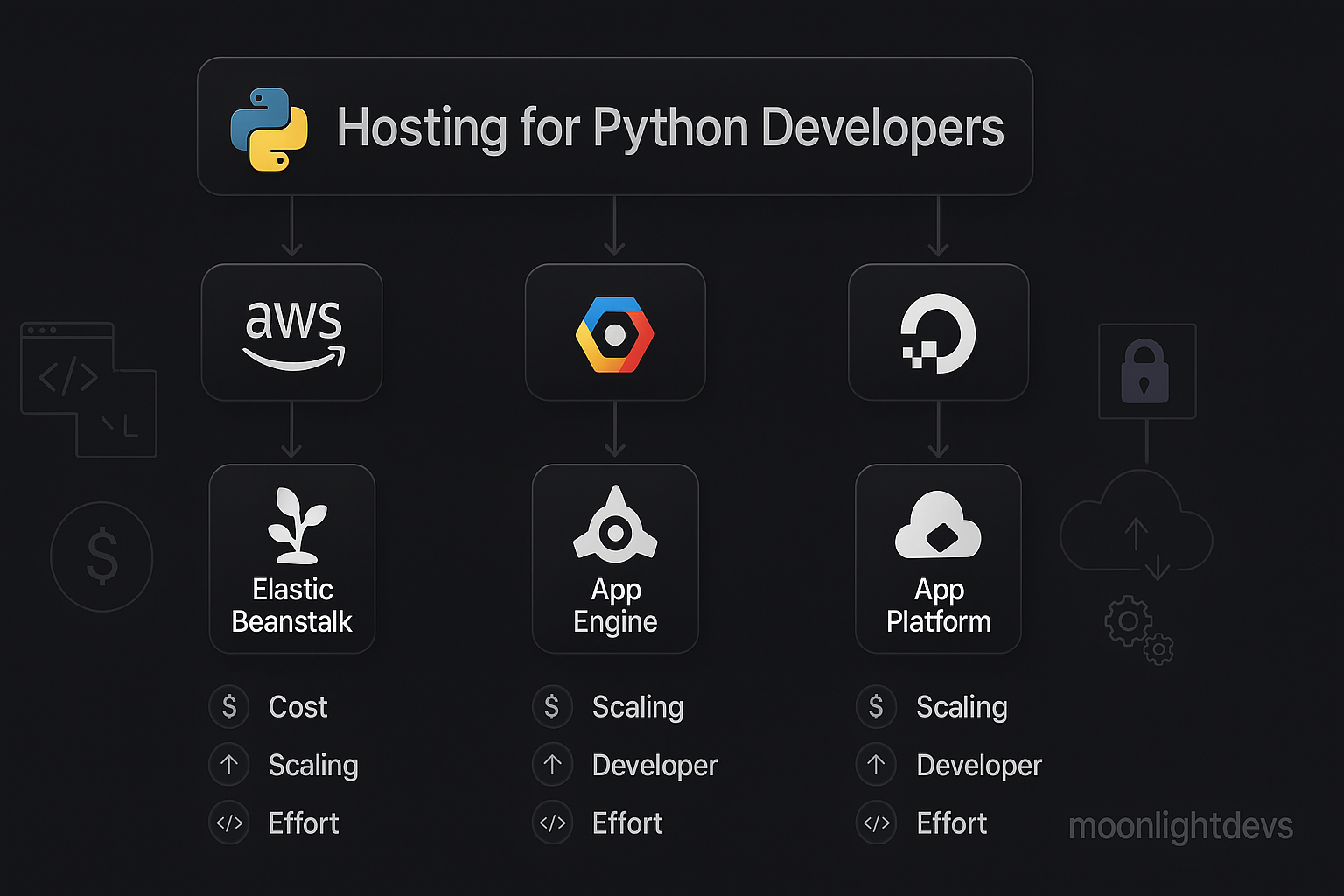
Best Cloud Hosting for Python Developers in 2025 (AWS vs GCP vs DigitalOcean)
Finding the Right Python Cloud Hosting in 2025 — Without the Headaches Choosing cloud hosting as a Python developer in 2025 is no longer just about uptime or bandwidth. It’s about developer experience, cost efficiency and scaling with minimal friction. In this guide, we’ll break down the top options — AWS, GCP and DigitalOcean — and help you make an informed choice for your projects.

Mistral AI Enhances Le Chat with Voice Recognition and Powerful Deep Research Capabilities
In an era where communication and information retrieval are pivotal to our digital interactions, Mistral AI has raised the bar with its latest upgrades to Le Chat. By integrating sophisticated voice recognition and advanced deep research capabilities, users will experience unparalleled ease of use, as well as the ability to access in-depth information effortlessly. This article delves into how these innovations can transform user experiences and the broader implications for developers and AI engineers.
Releted Blogs
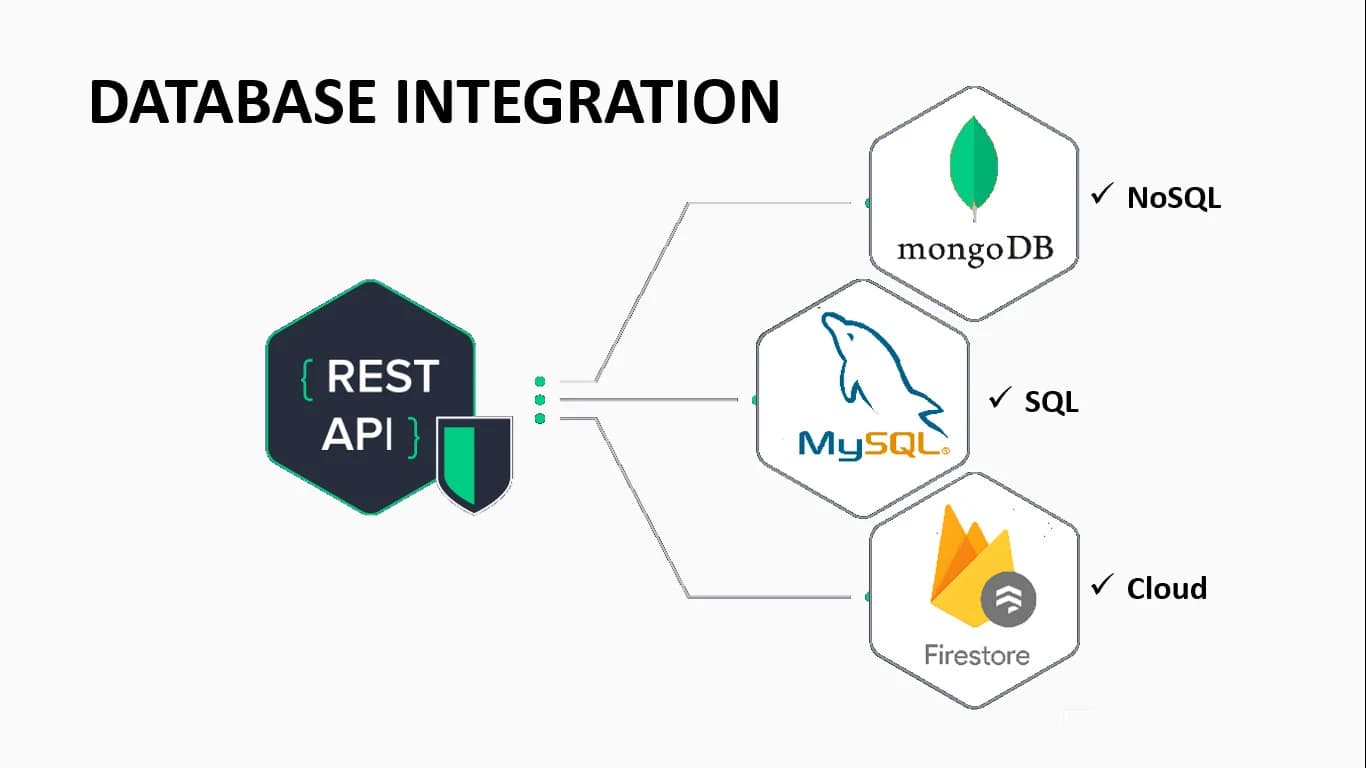
10 Powerful Tips for Efficient Database Management: SQL and NoSQL Integration in Node.js
Streamline your Node.js backend by mastering the integration of SQL and NoSQL databases—these 10 practical tips will help you write cleaner, faster and more scalable data operations.
Mastering Git Hooks for Automated Code Quality Checks and CI/CD Efficiency
Automate code quality and streamline your CI/CD pipelines with Git hooks. This step-by-step tutorial shows full-stack developers, DevOps engineers, and team leads how to implement automated checks at the source — before bad code ever hits your repositories.

Raed Abedalaziz Ramadan: Steering Saudi Investment Toward the Future with AI and Digital Currencies
In an era marked by rapid technological advancements, the intersection of artificial intelligence and digital currencies is reshaping global investment landscapes. Industry leaders like Raed Abedalaziz Ramadan are pioneering efforts to integrate these innovations within Saudi Arabia’s economic framework. This article delves into how AI and digital currencies are being leveraged to position Saudi investments for future success, providing insights, strategies and practical implications for stakeholders.

World Models: Machines That actually “Think”
Discover how advanced AI systems, often dubbed world models, are set to revolutionize the way machines interpret and interact with their environment. Dive deep into the underpinnings of machine cognition and explore practical applications.

You’re Using ChatGPT Wrong: Try This Underground Prompting Method Instead
Unlock the full potential of ChatGPT with innovative prompting techniques that elevate your conversations and outputs. Learn how to interact with AI like a pro by diving deep into unique and effective methods that go beyond typical usage. This post unveils the underground prompting strategies that can lead to richer, more contextual AI interactions.

Deep Dive into Error Handling and Logging in Node.js
Mastering the essentials of error handling and logging in Node.js for more resilient backends.
Have a story to tell?
Join our community of writers and share your insights with the world.
Start Writing