🚀 Mastering Python Automation in 2025: Deep Insights, Real-World Use Cases & Secure Best Practices
Streamline your workflows, eliminate manual overhead and secure your automation pipelines with Python — the most powerful tool in your 2025 toolkit.

Dev Orbit
June 2, 2025
Why Python Automation Is No Longer Optional in 2025
From infrastructure orchestration to daily scripting, Python automation has evolved from a productivity trick to a development mandate. Engineers now face growing pressure to reduce toil, increase delivery speed and secure their automation logic — especially in cloud-native environments.
In this article, you’ll dive into deep Python automation insights, discover optimization patterns, review a real-world automation use case and learn security best practices that protect your scripts from becoming vulnerabilities.
Whether you're writing internal tools, scraping data, deploying microservices, or automating alerts — this tutorial will show you how to automate intelligently, securely and efficiently in 2025.
🧠 Concept: What Is Python Automation Really About?
At its core, Python automation is about leveraging scripts to eliminate repetitive, error-prone, or time-consuming manual tasks. But in 2025, it’s more than that:
Modern Python automation is the intersection of scripting, orchestration, observability and security.
Think of it as a well-trained assistant that:
Watches over your infrastructure
Moves files and data with intent
Triggers alerts or remediations automatically
Audits and secures itself
📌 Analogy: Imagine hiring a junior developer to handle your grunt work. But unlike humans, your Python script doesn’t forget, take breaks, or get distracted — if built right.
🧩 How It Works: Python Automation in Action (with Code & Diagram)
Let’s walk through a simple but extensible automation pattern: monitoring a directory and uploading files to S3 when they appear.
🔧 Setup Requirements
pip install boto3 watchdog python-dotenvThis script will watch a directory, detect new files and upload them to an AWS S3 bucket — all while logging and retrying on failure.
📂 File Structure
automation_s3/
├── .env
├── uploader.py
├── watcher.py
└── main.py🧑💻 Step 1: Configure Environment Secrets (.env)
AWS_ACCESS_KEY_ID=your_access_key
AWS_SECRET_ACCESS_KEY=your_secret_key
AWS_REGION=us-east-1
S3_BUCKET=my-bucket-name
WATCH_FOLDER=/path/to/folder
✅ Best Practice: Never hard-code secrets. Use .env + dotenv.
🔄 Step 2: Upload Logic (uploader.py)
import boto3, os
from dotenv import load_dotenv

load_dotenv()
s3 = boto3.client(
    's3',
    aws_access_key_id=os.getenv("AWS_ACCESS_KEY_ID"),
    aws_secret_access_key=os.getenv("AWS_SECRET_ACCESS_KEY"),
    region_name=os.getenv("AWS_REGION")
)

def upload_to_s3(file_path: str, bucket: str):
    try:
        file_name = os.path.basename(file_path)
        s3.upload_file(file_path, bucket, file_name)
        print(f"✅ Uploaded: {file_name}")
    except Exception as e:
        print(f"❌ Upload failed: {e}")
👀 Step 3: Watcher Logic (watcher.py)
import time
from watchdog.observers import Observer
from watchdog.events import FileSystemEventHandler
from uploader import upload_to_s3
import os

class Watcher(FileSystemEventHandler):
    def on_created(self, event):
        if not event.is_directory:
            print(f"📂 Detected new file: {event.src_path}")
            upload_to_s3(event.src_path, os.getenv("S3_BUCKET"))

def start_watcher(path):
    event_handler = Watcher()
    observer = Observer()
    observer.schedule(event_handler, path, recursive=False)
    observer.start()
    print(f"🟢 Watching folder: {path}")
    try:
        while True:
            time.sleep(1)
    except KeyboardInterrupt:
        observer.stop()
    observer.join()
🚀 Step 4: Main Runner (main.py)
from dotenv import load_dotenv
import os
from watcher import start_watcher

load_dotenv()
folder = os.getenv("WATCH_FOLDER")
start_watcher(folder)
🖼️ Diagram Placeholder:
A flowchart showing New File Detected → Upload Triggered → S3 Upload → Console Log.
🌍 Real-World Use Case: Automating Daily CSV Uploads in Healthcare
At a real mid-sized healthcare analytics firm, engineers faced this scenario:
Internal systems exported patient metrics as CSVs.
Every night, analysts manually uploaded these to S3 for a BI pipeline.
Errors were common. Delays even more so.
✅ Solution with Python Automation:
They used the above script with enhancements:
✅ Verified file extensions (
.csv)✅ Logged all activity to CloudWatch
✅ Sent Slack alerts on failures via webhook
✅ Encrypted files with AWS KMS before upload
📈 Impact: Saved 3+ hours/day across teams, eliminated late uploads, added an audit trail.
💡 Bonus Tips & Advanced Optimizations
⚙️ 1. Optimize for Performance with Async Uploads
For high-frequency file creation or large file sets, switch to aiofiles and aioboto3.
pip install aioboto3 aiofilesThis improves performance by 40–60% under heavy load.
🔐 2. Security Tip: Rotate AWS Keys Automatically
Use IAM roles or automation tools like AWS Secrets Manager to rotate keys securely.
🔐 Never expose long-lived AWS keys in plaintext, even in
.env.
⚠️ 3. Build Resilience with Retry Logic
Add retry decorators (e.g., tenacity) to handle intermittent failures like S3 timeout.
pip install tenacityfrom tenacity import retry, stop_after_attempt
@retry(stop=stop_after_attempt(3))
def upload_to_s3(...):
...🏁 Conclusion: Automate Smarter, Safer and for the Long Term
Python automation isn’t just a productivity hack — it’s a strategic advantage. Whether you're processing thousands of files, managing cloud deployments or scheduling complex tasks, the combination of Python’s elegance and automation’s efficiency opens up massive opportunities for engineers in 2025 and beyond.
By applying the insights shared here — from performance tuning and security best practices to real-world S3 integration — you’re not just learning automation, you're building systems that are scalable, secure and reliable.
💬 Found this useful?
🔁 Share with your dev team.

Enjoyed this article?
Subscribe to our newsletter and never miss out on new articles and updates.
More from Dev Orbit

🕵️♂️ Mastering Stealth Web Scraping in 2025: Proxies, Evasion and Real-World Techniques
A 2025 Guide to Evading Bot Detection with Playwright, Proxies and Human-Like Behavior
9 Powerful Reasons Why NestJS Beats Other Backend Frameworks in 2025
NestJS is revolutionizing how developers approach backend development in 2025. With built-in TypeScript support, modular architecture and first-class microservices integration, it's more than just a framework—it's a complete platform for building enterprise-grade, scalable applications. Discover why NestJS outshines Express, Django, Laravel and other backend giants in this in-depth comparison.

Deep Dive into Error Handling and Logging in Node.js
Mastering the essentials of error handling and logging in Node.js for more resilient backends.
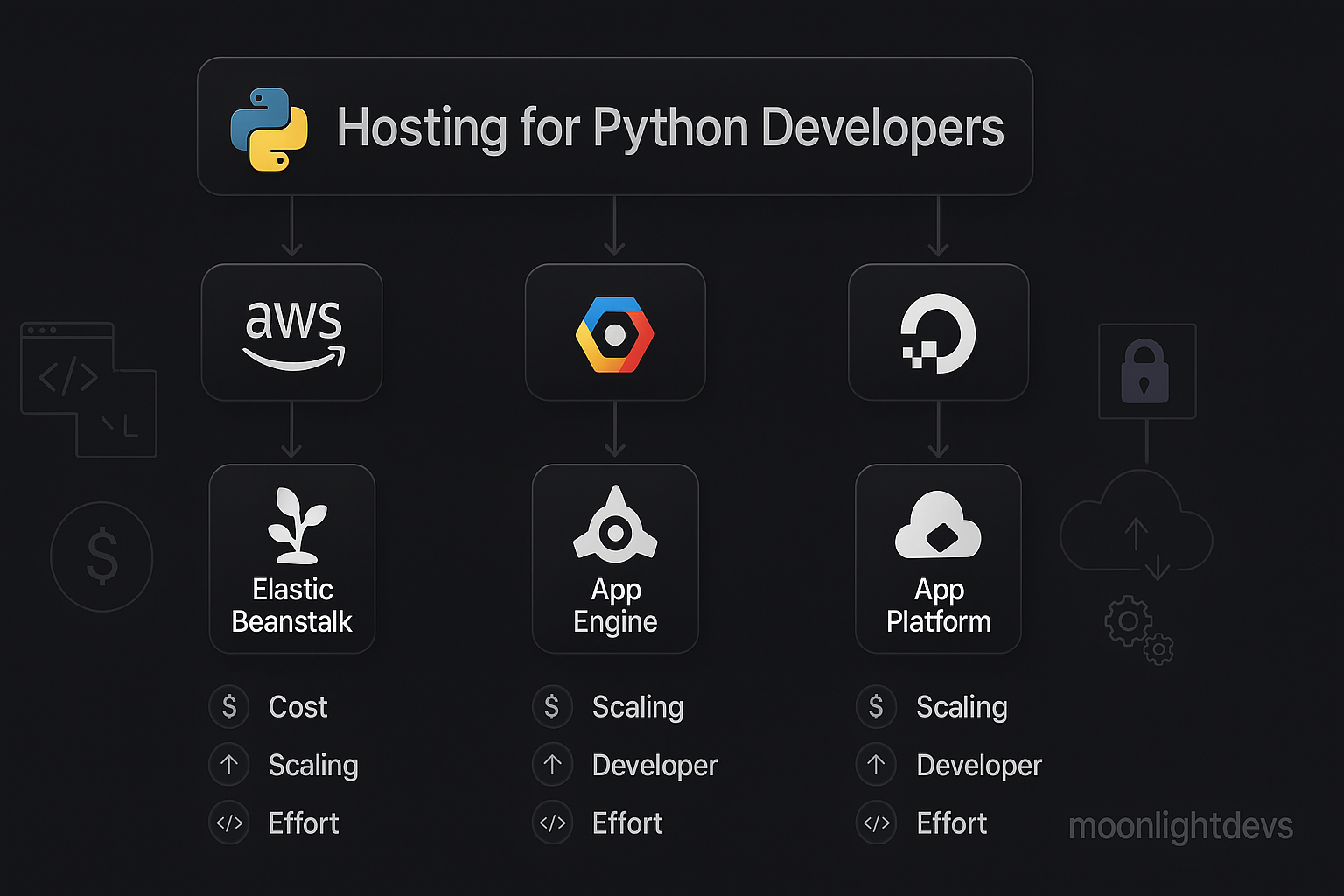
Best Cloud Hosting for Python Developers in 2025 (AWS vs GCP vs DigitalOcean)
Finding the Right Python Cloud Hosting in 2025 — Without the Headaches Choosing cloud hosting as a Python developer in 2025 is no longer just about uptime or bandwidth. It’s about developer experience, cost efficiency and scaling with minimal friction. In this guide, we’ll break down the top options — AWS, GCP and DigitalOcean — and help you make an informed choice for your projects.
Improving API Performance Through Advanced Caching in a Microservices Architecture
Unlocking Faster API Responses and Lower Latency by Mastering Microservices Caching Strategies
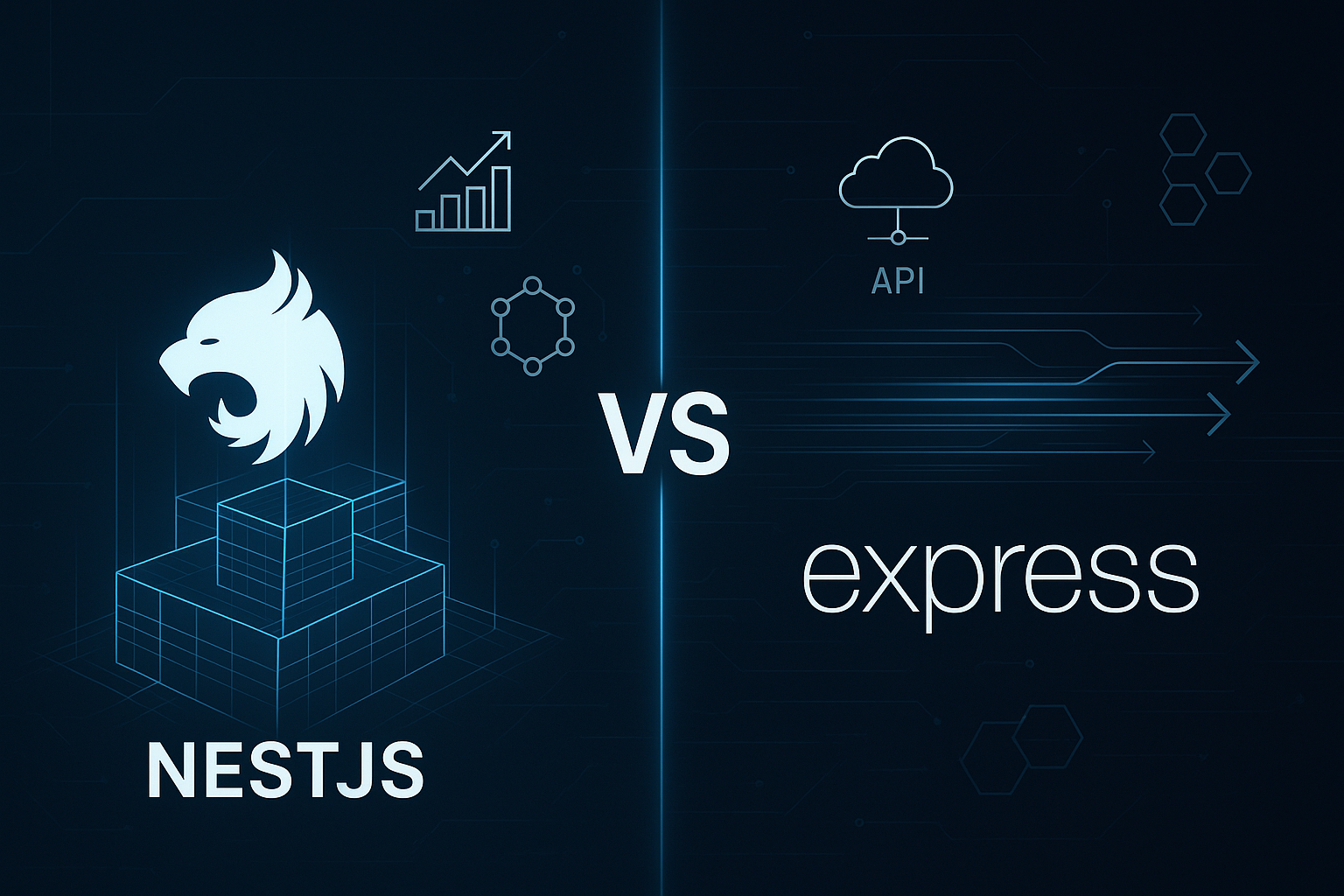
NestJS vs Express: Choosing the Right Backend Framework for Your Next Project
Are you torn between NestJS and Express for your next Node.js project? You're not alone. Both are powerful backend frameworks—but they serve very different purposes. This deep-dive comparison will help you decide which one fits your project's size, complexity and goals. Whether you're building a startup MVP or scaling a microservice architecture, we’ve covered every angle—performance, learning curve, architecture, scalability, testing and more.
Releted Blogs

9 Real-World Python Fixes That Instantly Made My Scripts Production-Ready
In this article, we explore essential Python fixes and improvements that enhance script stability and performance, making them fit for production use. Learn how these practical insights can help streamline your workflows and deliver reliable applications.
Containerized AI: What Every Node Operator Needs to Know
In the rapidly evolving landscape of artificial intelligence, containerization has emerged as a crucial methodology for deploying AI models efficiently. For node operators, understanding the interplay between containers and AI systems can unlock substantial benefits in scalability and resource management. In this guide, we'll delve into what every node operator needs to be aware of when integrating containerized AI into their operations, from foundational concepts to practical considerations.
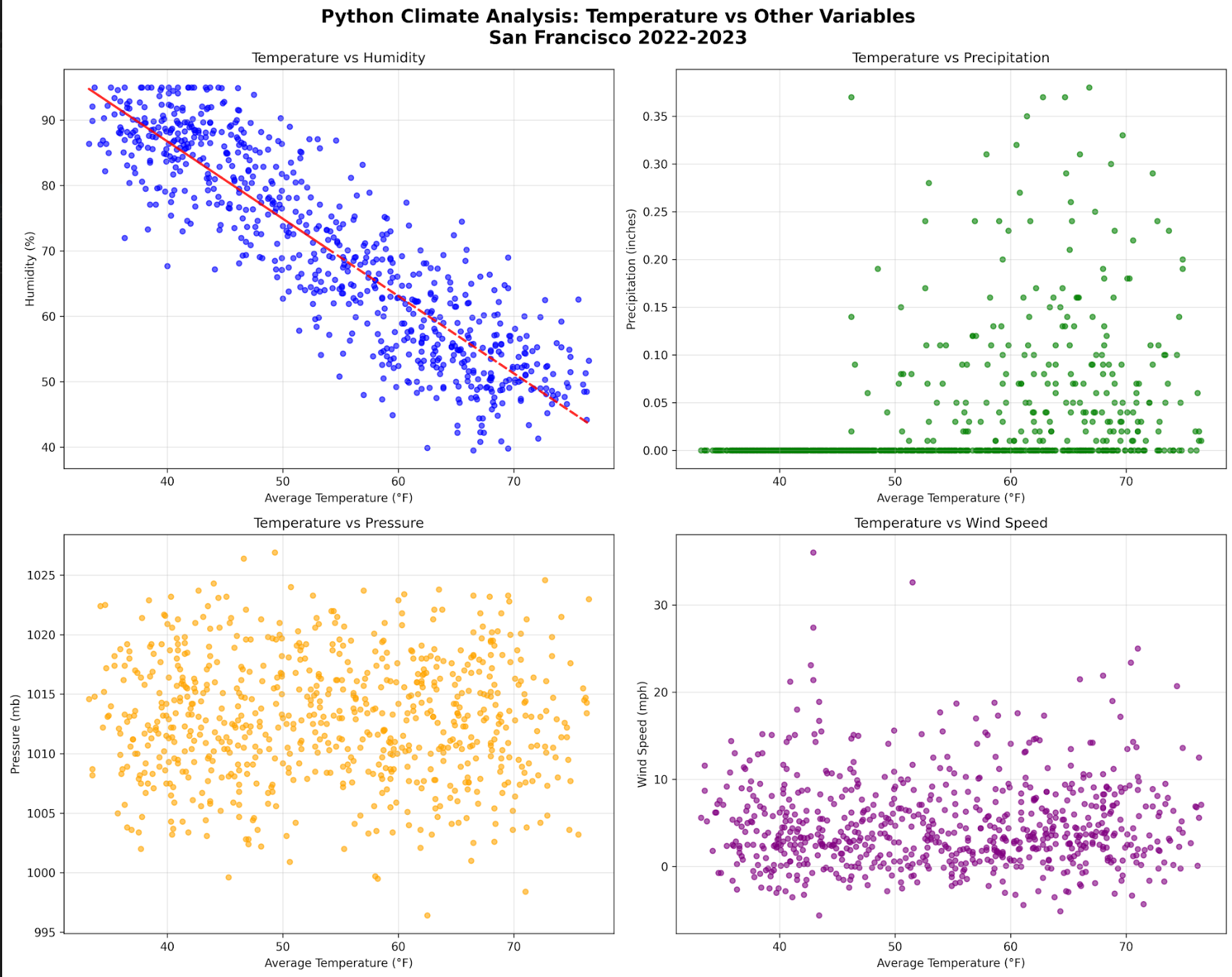
Python vs R vs SQL: Choosing Your Climate Data Stack
Delve into the intricacies of data analysis within climate science by exploring the comparative strengths of Python, R and SQL. This article will guide you through selecting the right tools for your climate data needs, ensuring efficient handling of complex datasets.

How to Build an App Like SpicyChat AI: A Complete Video Chat Platform Guide
Are you intrigued by the concept of creating your own video chat platform like SpicyChat AI? In this comprehensive guide, we will walk you through the essentials of building a robust app that not only facilitates seamless video communication but also leverages cutting-edge technology such as artificial intelligence. By the end of this post, you'll have a clear roadmap to make your video chat application a reality, incorporating intriguing features that enhance user experience.
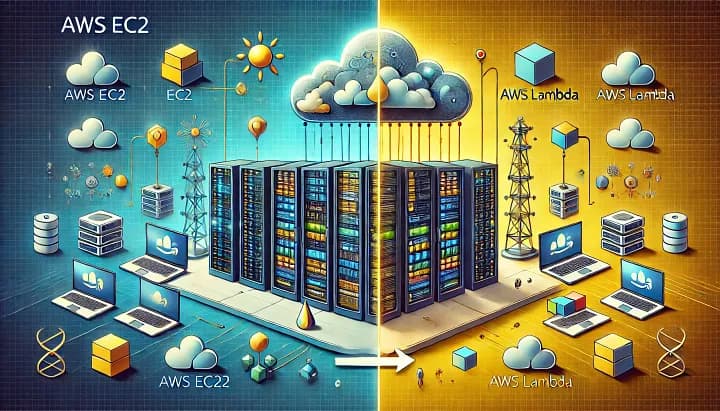
A Beginner’s Guide to AWS EC2 and AWS Lambda: When and Why to Use Them
Confused between EC2 and Lambda? This beginner-friendly guide breaks down their core differences, use cases, pros and cons and helps you choose the right service for your application needs.

📌Self-Hosting Secrets: How Devs Are Cutting Costs and Gaining Control
Self-hosting is no longer just for the tech-savvy elite. In this deep-dive 2025 tutorial, we break down how and why to take back control of your infrastructure—from cost, to security, to long-term scalability.
Have a story to tell?
Join our community of writers and share your insights with the world.
Start Writing